
Global Supply Chain Reshoring and Friendshoring: The Macroeconomic Impact on Corporate Margins and Inflation
Explore the structural economic transition from 'just-in-time' to 'just-in-case' supply chains. Analyze the macroeconomic consequences of reshoring on industrial capital expenditures, wages, and baseline inflation.
 Dr. Arthur Pendelton
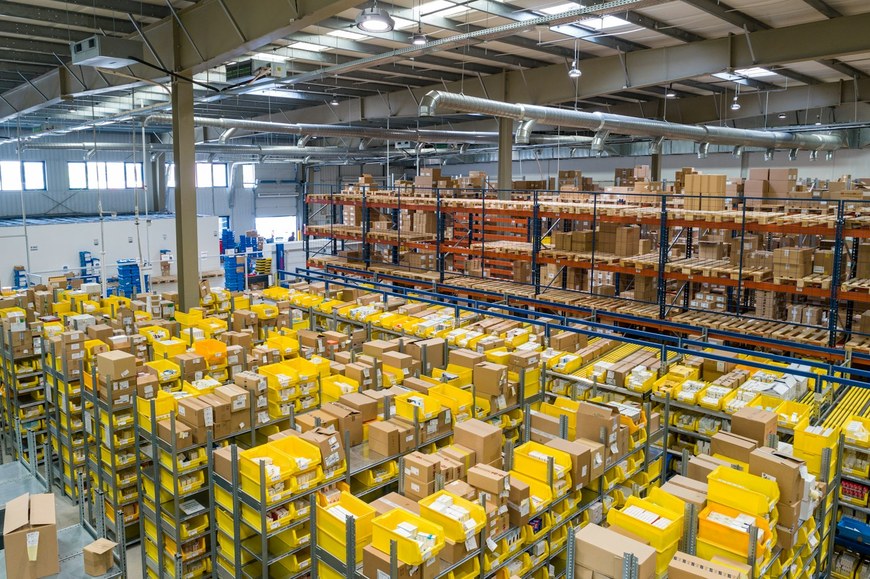
For nearly four decades following the fall of the Berlin Wall and China's accession to the World Trade Organization, global trade architecture was defined by aggressive globalization: hyper-specialized manufacturing hubs, friction-free maritime corridors, and an unwavering commitment to "just-in-time" supply chain efficiency. However, the convergence of pandemic disruptions, heightened geopolitical frictions, strategic trade sanctions, and regional conflicts has dismantled this consensus, inaugurating an era of industrial reshoring, nearshoring, and friendshoring.
The transition from optimizing exclusively for unit cost toward optimizing for geopolitical resilience is one of the most consequential macroeconomic structural transformations of the modern era. In this macroeconomic research report, we analyze the capital expenditure requirements of supply chain localization, assess the impact on corporate gross margins, and evaluate the structural inflation consequences across global economies.
1. The Strategic Shift: Just-in-Time to Just-in-Case
Modern industrial policy across the United States, the European Union, and allied nations reflects a structural re-evaluation of national security and economic sovereignty:
| Trade Paradigm | Core Operational Philosophy | Economic Priority | Vulnerability Profile |
|---|---|---|---|
| Offshoring (1990 – 2019) | Outsource production to lowest-cost developing jurisdictions | Maximize short-term corporate margins and consumer price deflation | Single-point supply chain bottlenecks; geopolitical vulnerability |
| Nearshoring & Friendshoring | Relocate manufacturing to proximate or politically allied nations (e.g., Mexico, Poland, Vietnam) | Balance labor cost efficiency with regional logistics security | Regional infrastructure capacity constraints; bilateral regulatory compliance |
| Domestic Reshoring | Full domestic fabrication of critical technologies (semiconductors, advanced batteries, defense) | National sovereignty, intellectual property protection, guaranteed continuity | Substantial capital expenditure; elevated domestic labor and environmental compliance costs |
2. Capital Expenditure Supercycles and Gross Margin Compression
Rebuilding industrial manufacturing infrastructure in Western economies requires historic capital commitments. Major legislative interventions—such as the US CHIPS and Science Act and the Inflation Reduction Act—have unleashed hundreds of billions of dollars in private and public manufacturing construction spending.
However, producing semiconductors, advanced pharmaceuticals, and clean energy components in North America and Western Europe carries structural operational cost premiums compared to historical Asian hubs:
- Labor Cost Arbitrage Dissolution: Domestic industrial wages and skilled labor shortages introduce permanent upward pressure on baseline manufacturing overhead.
- Capital Depreciation Drag: Massive advanced semiconductor cleanroom facilities require multi-year depreciation schedules that elevate fixed Cost of Goods Sold (COGS).
- Working Capital Escalation: To insulate against geopolitical maritime chokepoints (such as the Red Sea and Malacca Straits), enterprises are permanently expanding buffer inventory (DIO), increasing working capital requirements.
Compare Regional Living & Operational Costs
Analyze international and domestic cost differentials with the RichQuill Global Cost of Living & Purchasing Power Suite →.
3. Macroeconomic Implications: The Higher Structural Inflation Floor
For thirty years, global trade offshoring served as the world's most powerful structural deflationary force, flooding developed markets with inexpensive manufactured consumer goods. The reversal of this dynamic means the global economy has transitioned from structural disinflation to a regime of elevated baseline inflation volatility, requiring central banks to maintain higher structural terminal interest rates throughout the coming economic cycle.
Frequently Asked Questions (FAQ)
What is the difference between Nearshoring and Friendshoring?
Nearshoring refers to relocating production closer to the primary end-market geographically (e.g., a US company manufacturing in Mexico to reduce maritime transit times). Friendshoring prioritizes manufacturing in nations with shared geopolitical values and robust bilateral alliances, regardless of geographic distance.
Which sectors are leading the reshoring transition?
High-value sectors deemed critical to national defense and economic sovereignty are leading the transition: advanced logic semiconductors, grid-scale batteries, active pharmaceutical ingredients (APIs), and critical rare-earth mineral processing.














Comments